
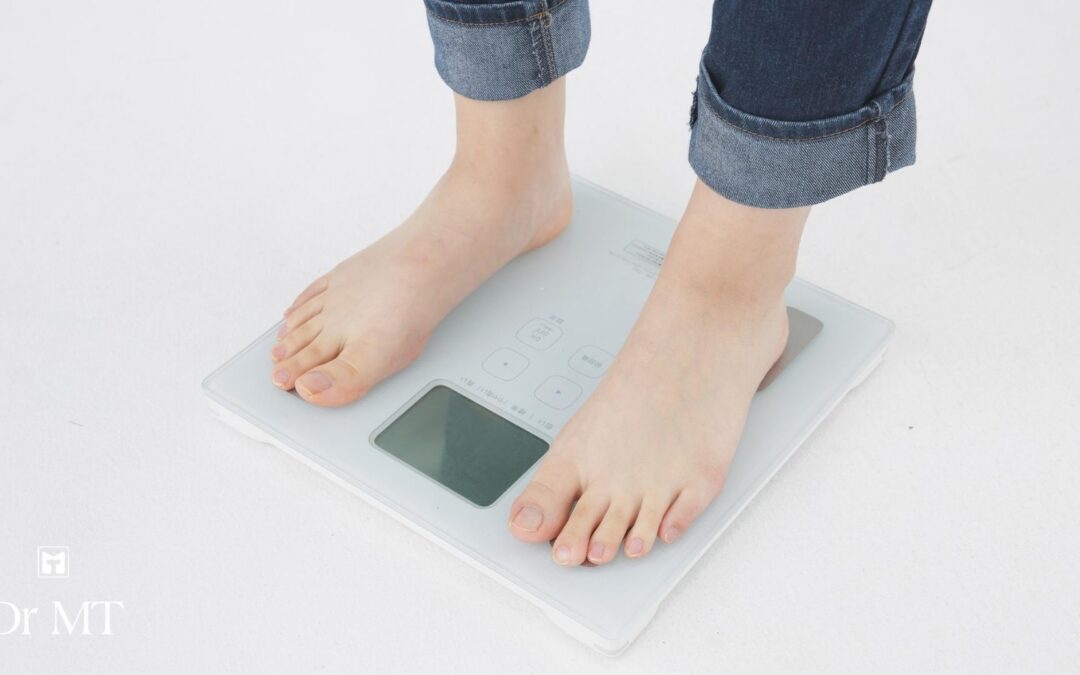
Weight gain during midlife is one of the most frustrating changes women experience during perimenopause and menopause.
Many describe doing “everything right”: eating the same foods, exercising regularly, staying active and yet the scales creep up. Clothes fit differently. Weight settles around the middle. Confidence takes a hit.
The most common response women receive is also the least helpful: “Eat less and move more.”
While lifestyle matters a lot, this advice ignores the biological changes happening beneath the surface.
As oestrogen levels fluctuate and decline, the body’s relationship with fat storage changes. Fat is redistributed from hips and thighs towards the abdomen. Insulin sensitivity may decrease, making blood sugar regulation less efficient. Muscle mass naturally declines with age, lowering metabolic rate. Sleep disruption, a hallmark of perimenopause, further drives appetite and weight gain through hormonal pathways.
In other words, menopause changes the rules, not the effort.
This doesn’t mean weight gain is inevitable. It does mean old strategies often stop working. Many women need to shift focus from calorie restriction to muscle preservation, strength training, adequate protein intake, stress reduction and sleep support.
There is also understandable concern about HRT and weight. Contrary to popular belief, HRT does not cause weight gain. In some women, by improving sleep, mood and insulin sensitivity, it may help stabilise weight. However, it is not a weight-loss treatment and should never be framed as one.
For women struggling significantly with weight changes, it’s also important to consider other contributors such as thyroid dysfunction, medications, mood changes and the emotional burden of menopause itself. Weight gain is rarely a single-factor issue.
Perhaps most importantly, your weight is not a moral failure. Gaining weight at this stage of life does not reflect laziness, lack of willpower or poor discipline. It reflects a complex hormonal transition that deserves understanding, not judgement.
The goal during menopause is not to punish the body for changing, but to support it differently — with realistic expectations, compassion, and strategies that align with how physiology evolves in midlife.
More Tips from the Blog

Let’s Chat Rosacea
Rosacea Rosacea - if you’ve got it, you know the struggle. Redness, flushing, spots that look like acne but definitely aren’t, stinging skin, even gritty-feeling eyes. And in some advanced cases,...

Let’s Talk Menopause — What’s Actually Going On and Why It Matters
Menopause Menopause isn’t just the end of your periods. It’s a major life transition, and a great time to look after you. So What Is Menopause? Menopause happens when your ovaries stop producing...

Thinking About Injectables but Feeling Nervous? You’re Not Alone
Injectables Lately, you might have been thinking about trying injectables. Maybe smoothing a few lines, refreshing tired eyes, or adding a little volume. But if you’re anything like me when I first...

Why Are Peptides Vital in Our Skincare Routine?
Why Are Peptides Vital in Our Skincare Routine? Peptides are short chains of amino acids which are the building blocks of proteins. In skincare, peptides act as messengers that signal your skin to...
Tips for Managing Acne
Managing Acne Acne isn’t just a teenage problem. Many people, especially women, experience breakouts well into their 30s, 40s, and even during menopause. What Causes Acne? Acne forms when pores get...

Clearing the Bumps: Skincare Tips for Beating Pregnancy Acne
Pregnancy Acne & Skincare Hormonal fluctuations during pregnancy can lead to flare-ups of skin conditions like acne, rosacea, pigmentation, and periorificial dermatitis or even cause them to...