
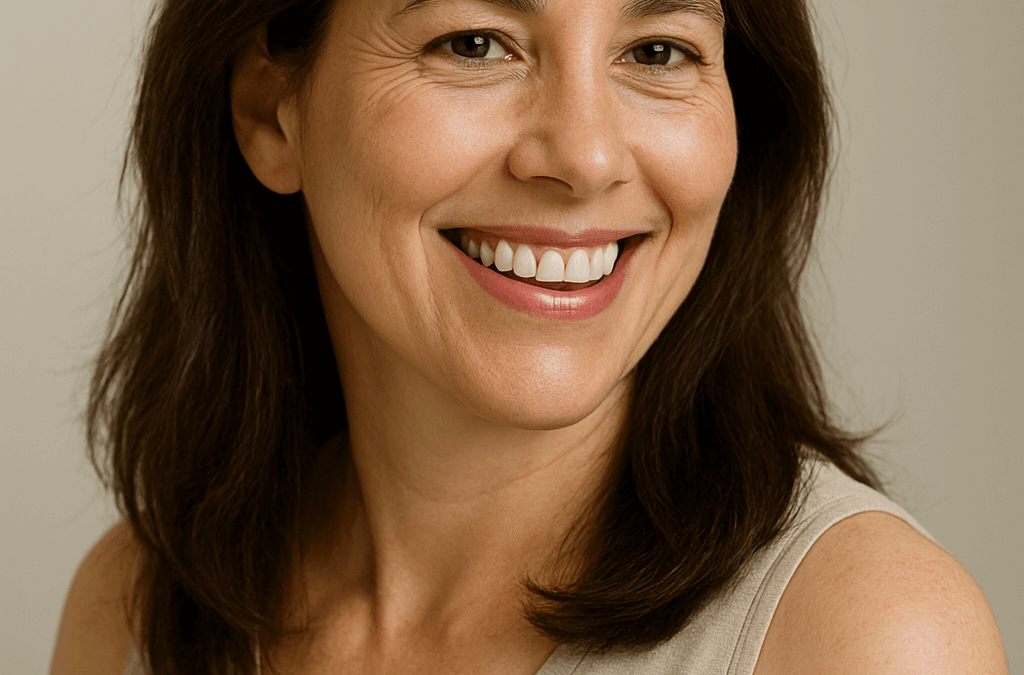
Menopause
Menopause isn’t just the end of your periods. It’s a major life transition, and a great time to look after you.
So What Is Menopause?
Menopause happens when your ovaries stop producing oestrogen, while progesterone and testosterone also dip, and you haven’t had a period in a year. The average age is around 51. But perimenopause can start in your 40s (sometimes earlier!). This is when those classic symptoms kick in.
Common Symptoms
- Hot flushes – sudden heat, sweats, and disrupted sleep.
- Mood changes – anxiety, low mood, irritability, confidence dips.
- Vaginal changes – dryness, painful sex, more UTIs.
- Others? Brain fog, fatigue, sore joints, headaches, low libido… the list’s long.
Hormonal shifts can hit in waves, which is why one month you feel fine and the next… not so much. Keeping a symptom diary can help spot patterns.
How Do You Know It’s Menopause?
If you’re over 45 and your cycle’s gone wonky alongside these symptoms, you’re likely in perimenopause. Blood tests can help but aren’t always needed. Under 45? Your doctor may want to rule out other causes first.
Treatment Options
- HRT (now called MHT): Oestrogen is the star player here — especially via patches, gels or sprays. If you still have a uterus, you’ll also need progesterone to protect the womb lining (hello, Mirena coil – does both!).
- Vaginal oestrogen: Game-changer for dryness, UTIs, and painful sex.
- Non-hormonal meds: Useful if HRT isn’t an option for you.
- Lifestyle fixes: Exercise, reduce alcohol, stop smoking, eat well.
Don’t Forget…
- HRT is not contraception!
- Get those mammograms, smears, and bowel screenings.
- Bone health and heart health really matter now — think calcium, Vitamin D, strength training and regular walking.
- Supplements like omega-3s, magnesium, and Vit D3 can be super helpful.
Bottom line? Menopause is a big deal — but with the right info, support, and care, it can be a brilliant, empowered chapter. You’ve got this.
More Tips from the Blog
Is HRT safe? I’ve heard it causes breast cancer.
This is one of the most common, and understandable, questions women ask about menopause care. Much of the fear around HRT stems from headlines following the Women’s Health Initiative study in the...

“The Menopause” – Do I just have to put up with this?
Many women arrive at menopause care not asking for a cure but for permission to take their symptoms seriously. They’ve been told it’s “just part of ageing”. That they should cope better. That...

Why am I gaining weight when I’m doing everything ‘right?’
Few menopause concerns generate as much frustration as weight gain, especially when you’re doing everything you should to stay as healthy as possible. Hormonal changes during perimenopause and...

Who should I see about menopause?
Some women have excellent GP and medical support. Others are told menopause “isn’t really my area.” Which is ok as we can’t expect doctors to know everything about everything. But a referral pathway...

Let’s Chat Rosacea
Rosacea Rosacea - if you’ve got it, you know the struggle. Redness, flushing, spots that look like acne but definitely aren’t, stinging skin, even gritty-feeling eyes. And in some advanced cases,...

Thinking About Injectables but Feeling Nervous? You’re Not Alone
Injectables Lately, you might have been thinking about trying injectables. Maybe smoothing a few lines, refreshing tired eyes, or adding a little volume. But if you’re anything like me when I first...