

Hair changes are one of the most distressing, and least talked about, aspects of menopause.
Women describe increased shedding in the shower, a widening parting, loss of volume at the crown, or hair that feels finer and weaker than before. Often, they’re told it’s “just stress” or that nothing can be done.
Again, hormones are central.
Oestrogen helps keep hair in its growth phase. As levels fall, hair spends less time growing and more time shedding. At the same time, the relative influence of androgens increases, which can contribute to pattern thinning in genetically susceptible women.
Menopause can also unmask other contributors to hair loss, including iron deficiency, thyroid dysfunction, chronic stress and nutritional gaps, all of which deserve assessment and this is why you should see a doctor to ensure there is nothing else causing those symptoms.
What’s important to understand is that not all hair loss is the same, and treatment depends on the pattern, cause and timing.
Some women experience a temporary shed during perimenopause that stabilises. Others develop ongoing thinning that benefits from early intervention. Treatments may include topical or oral medications, microneedling-based therapies, scalp health optimisation and where appropriate, addressing hormonal balance with HRT.
HRT may improve hair density for some women, but it is not a guaranteed solution and should never be prescribed solely for hair concerns.
The most important step is recognising that menopausal hair changes are real, common, and not a personal failing. With proper assessment, many women can stabilise loss and improve hair quality, particularly when intervention happens early.
More Tips from the Blog

Why Are Peptides Vital in Our Skincare Routine?
Why Are Peptides Vital in Our Skincare Routine? Peptides are short chains of amino acids which are the building blocks of proteins. In skincare, peptides act as messengers that signal your skin to...
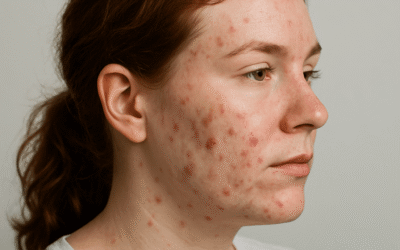
Tips for Managing Acne
Managing Acne Acne isn’t just a teenage problem. Many people, especially women, experience breakouts well into their 30s, 40s, and even during menopause. What Causes Acne? Acne forms when pores get...

Clearing the Bumps: Skincare Tips for Beating Pregnancy Acne
Pregnancy Acne & Skincare Hormonal fluctuations during pregnancy can lead to flare-ups of skin conditions like acne, rosacea, pigmentation, and periorificial dermatitis or even cause them to...

Treating Hair Loss in Men and Women: A Complete Guide
Hair loss and can be distressing regardless of age or gender. The good news is that a wide range of treatment options exist — from over-the-counter products and prescription medications to advanced in-clinic procedures. However, before starting any treatment, it’s vital to rule out underlying medical causes with a healthcare professional.

Finding the Right Aesthetic Doctor in Ireland for you
With the growing popularity of procedures like antiwrinkle treatments and dermal fillers, it’s essential to navigate the landscape carefully to stay safe.