
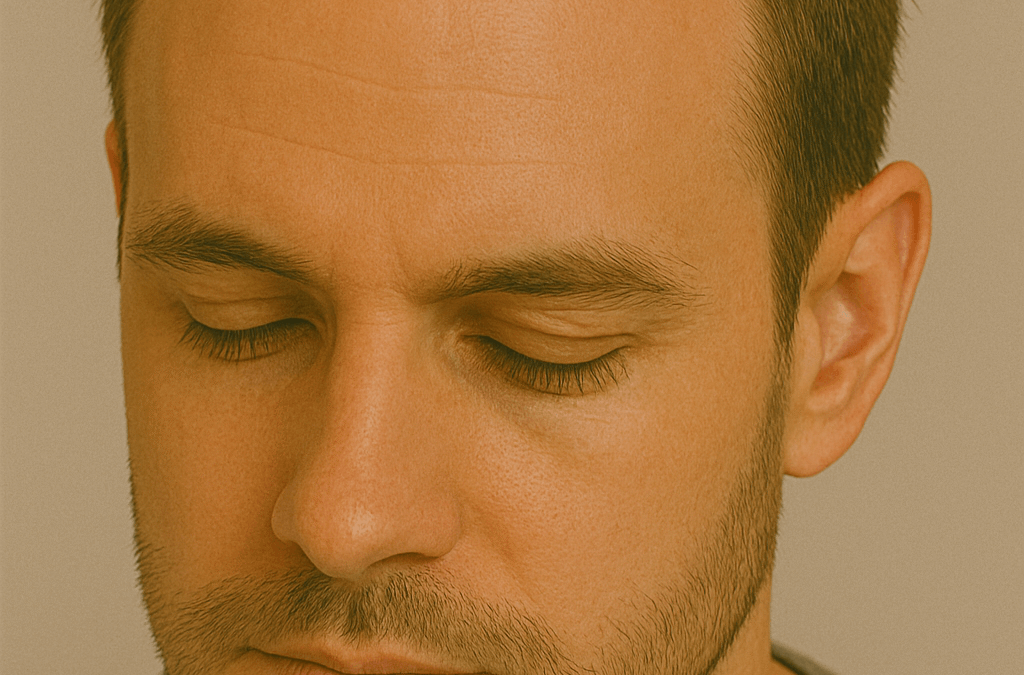
Hair Loss
Hair loss and can be distressing regardless of age or gender. The good news is that a wide range of treatment options exist — from over-the-counter products and prescription medications to advanced in-clinic procedures. However, before starting any treatment, it’s vital to rule out underlying medical causes with a healthcare professional.
- Start with a Medical Evaluation
Hair loss can be triggered by various medical issues such as thyroid imbalances, iron deficiency, hormonal disorders like PCOS, or autoimmune conditions like alopecia areata. Sudden or patchy hair loss, in particular, warrants immediate medical assessment, and sometimes requires blood tests or a referral to a dermatologist, if necessary. - Over-the-Counter (OTC) Options
For many, OTC treatments are the first step:
– Minoxidil: Available in 2% and 5% solutions or foam, minoxidil is approved for both male and female pattern baldness. It works by prolonging the growth phase of hair and increasing follicle size. Consistency is key: it often takes 3–6 months to see results.
– Caffeine-based shampoos, ketoconazole shampoos.
– Supplementation (after medical review) - Prescription Treatments
More significant or persistent hair loss may require prescription medications:
– Finasteride (for men only): This oral drug blocks DHT, the hormone responsible for male pattern baldness. It’s effective for many men but comes with possible side effects, including reduced libido.
– Spironolactone (for women): Often prescribed for women with hormonally driven hair loss, especially in PCOS, spironolactone works by blocking androgen receptors.
– Oral minoxidil: An off-label but increasingly popular treatment prescribed in low doses for both men and women. - In-Clinic Procedures
When medications fall short, professional treatments can help:
– PRP (Platelet-Rich Plasma): Uses your blood’s growth factors to stimulate follicles.
– Microneedling: Often paired with topical treatments like exosomes to enhance absorption.
– Polynucleotides: stimulate cell regeneration, improving scalp circulation, and promoting healthier hair follicle function.
– Hair transplant surgery: A permanent solution for some, especially men with stable hair loss patterns, but will require ongoing maintenance.
Remember
While hair loss is common, it’s not always just cosmetic. Seeking early medical advice helps identify root causes and tailor treatment. Combining medical insight with scientifically supported therapies gives the best chance of preserving and potentially regaining your hair.
More Tips from the Blog

Who should I see about menopause?
Some women have excellent GP and medical support. Others are told menopause “isn’t really my area.” Which is ok as we can’t expect doctors to know everything about everything. But a referral pathway...

Let’s Chat Rosacea
Rosacea Rosacea - if you’ve got it, you know the struggle. Redness, flushing, spots that look like acne but definitely aren’t, stinging skin, even gritty-feeling eyes. And in some advanced cases,...

Let’s Talk Menopause — What’s Actually Going On and Why It Matters
Menopause Menopause isn’t just the end of your periods. It’s a major life transition, and a great time to look after you. So What Is Menopause? Menopause happens when your ovaries stop producing...

Thinking About Injectables but Feeling Nervous? You’re Not Alone
Injectables Lately, you might have been thinking about trying injectables. Maybe smoothing a few lines, refreshing tired eyes, or adding a little volume. But if you’re anything like me when I first...

Why Are Peptides Vital in Our Skincare Routine?
Why Are Peptides Vital in Our Skincare Routine? Peptides are short chains of amino acids which are the building blocks of proteins. In skincare, peptides act as messengers that signal your skin to...
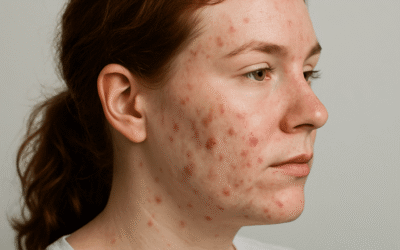
Tips for Managing Acne
Managing Acne Acne isn’t just a teenage problem. Many people, especially women, experience breakouts well into their 30s, 40s, and even during menopause. What Causes Acne? Acne forms when pores get...