
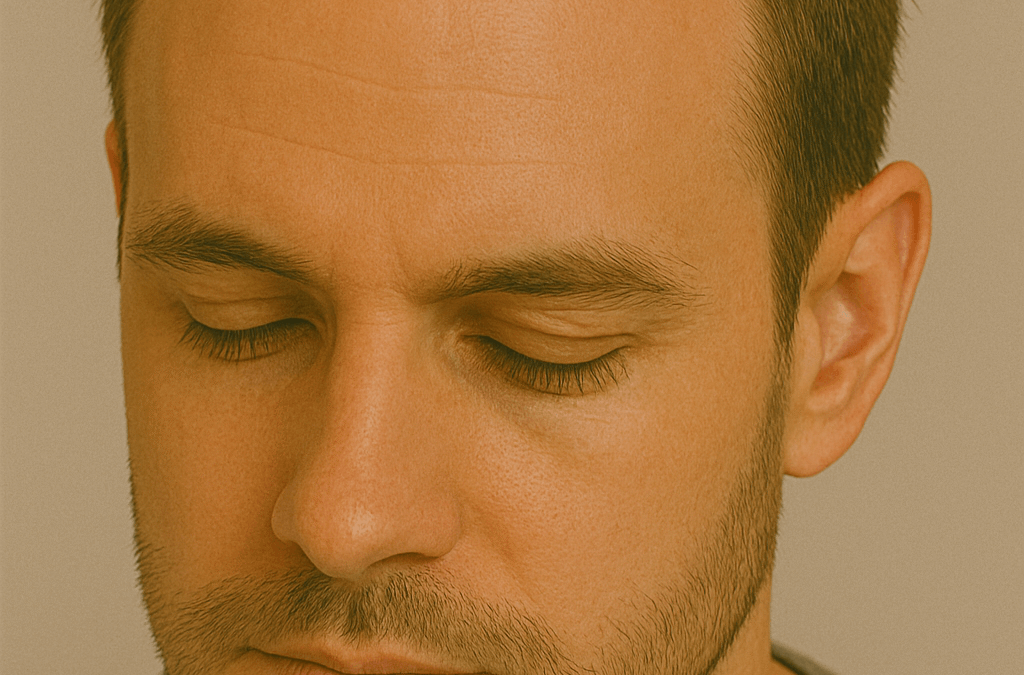
Hair Loss
Hair loss and can be distressing regardless of age or gender. The good news is that a wide range of treatment options exist — from over-the-counter products and prescription medications to advanced in-clinic procedures. However, before starting any treatment, it’s vital to rule out underlying medical causes with a healthcare professional.
- Start with a Medical Evaluation
Hair loss can be triggered by various medical issues such as thyroid imbalances, iron deficiency, hormonal disorders like PCOS, or autoimmune conditions like alopecia areata. Sudden or patchy hair loss, in particular, warrants immediate medical assessment, and sometimes requires blood tests or a referral to a dermatologist, if necessary. - Over-the-Counter (OTC) Options
For many, OTC treatments are the first step:
– Minoxidil: Available in 2% and 5% solutions or foam, minoxidil is approved for both male and female pattern baldness. It works by prolonging the growth phase of hair and increasing follicle size. Consistency is key: it often takes 3–6 months to see results.
– Caffeine-based shampoos, ketoconazole shampoos.
– Supplementation (after medical review) - Prescription Treatments
More significant or persistent hair loss may require prescription medications:
– Finasteride (for men only): This oral drug blocks DHT, the hormone responsible for male pattern baldness. It’s effective for many men but comes with possible side effects, including reduced libido.
– Spironolactone (for women): Often prescribed for women with hormonally driven hair loss, especially in PCOS, spironolactone works by blocking androgen receptors.
– Oral minoxidil: An off-label but increasingly popular treatment prescribed in low doses for both men and women. - In-Clinic Procedures
When medications fall short, professional treatments can help:
– PRP (Platelet-Rich Plasma): Uses your blood’s growth factors to stimulate follicles.
– Microneedling: Often paired with topical treatments like exosomes to enhance absorption.
– Polynucleotides: stimulate cell regeneration, improving scalp circulation, and promoting healthier hair follicle function.
– Hair transplant surgery: A permanent solution for some, especially men with stable hair loss patterns, but will require ongoing maintenance.
Remember
While hair loss is common, it’s not always just cosmetic. Seeking early medical advice helps identify root causes and tailor treatment. Combining medical insight with scientifically supported therapies gives the best chance of preserving and potentially regaining your hair.
More Tips from the Blog

Hair thinning, shedding and menopause: what’s normal and what can be done?
Hair changes are one of the most distressing, and least talked about, aspects of menopause. Women describe increased shedding in the shower, a widening parting, loss of volume at the crown, or hair...

Why my skin suddenly feels older and what menopause has to do with it.
Many women notice changes in their skin around midlife that might at times feel abrupt and unfair. Skin that once tolerated anything becomes reactive. Fine lines deepen seemingly overnight. The glow...

Am I in menopause or is this something else?
For many women, the first sign of menopause isn’t a missed period. It’s more of a feeling that something feels ‘off.’ Sleep becomes lighter and more fragmented. Anxiety creeps in where it never...

Is HRT safe? I’ve heard it causes breast cancer.
This is one of the most common, and understandable, questions women ask about menopause care. Much of the fear around HRT stems from headlines following the Women’s Health Initiative study in the...

“The Menopause” – Do I just have to put up with this?
Many women arrive at menopause care not asking for a cure but for permission to take their symptoms seriously. They’ve been told it’s “just part of ageing”. That they should cope better. That...

Why am I gaining weight when I’m doing everything ‘right?’
Few menopause concerns generate as much frustration as weight gain, especially when you’re doing everything you should to stay as healthy as possible. Hormonal changes during perimenopause and...