
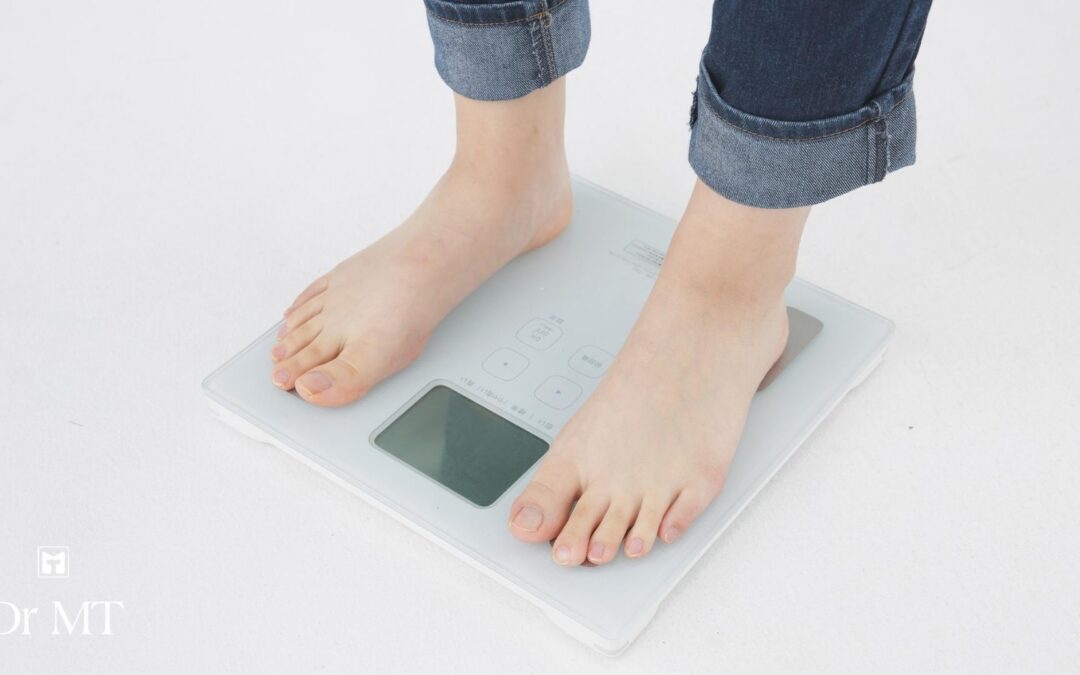
Weight gain during midlife is one of the most frustrating changes women experience during perimenopause and menopause.
Many describe doing “everything right”: eating the same foods, exercising regularly, staying active and yet the scales creep up. Clothes fit differently. Weight settles around the middle. Confidence takes a hit.
The most common response women receive is also the least helpful: “Eat less and move more.”
While lifestyle matters a lot, this advice ignores the biological changes happening beneath the surface.
As oestrogen levels fluctuate and decline, the body’s relationship with fat storage changes. Fat is redistributed from hips and thighs towards the abdomen. Insulin sensitivity may decrease, making blood sugar regulation less efficient. Muscle mass naturally declines with age, lowering metabolic rate. Sleep disruption, a hallmark of perimenopause, further drives appetite and weight gain through hormonal pathways.
In other words, menopause changes the rules, not the effort.
This doesn’t mean weight gain is inevitable. It does mean old strategies often stop working. Many women need to shift focus from calorie restriction to muscle preservation, strength training, adequate protein intake, stress reduction and sleep support.
There is also understandable concern about HRT and weight. Contrary to popular belief, HRT does not cause weight gain. In some women, by improving sleep, mood and insulin sensitivity, it may help stabilise weight. However, it is not a weight-loss treatment and should never be framed as one.
For women struggling significantly with weight changes, it’s also important to consider other contributors such as thyroid dysfunction, medications, mood changes and the emotional burden of menopause itself. Weight gain is rarely a single-factor issue.
Perhaps most importantly, your weight is not a moral failure. Gaining weight at this stage of life does not reflect laziness, lack of willpower or poor discipline. It reflects a complex hormonal transition that deserves understanding, not judgement.
The goal during menopause is not to punish the body for changing, but to support it differently — with realistic expectations, compassion, and strategies that align with how physiology evolves in midlife.
More Tips from the Blog
Can Too Much Anti-Wrinkle Treatment Make You Look Older?
Why treating the whole face, rather than just the wrinkles and lines, matters Anti-wrinkle injections are one of the most popular aesthetic treatments for a reason. When used thoughtfully,...

Introducing Juläine: Skin Rejuvenation That Works With Your Skin
Not everyone wants anti-wrinkle injections or dermal fillers. Many people simply want healthier, firmer skin that still looks like them. They want to age well, not look different. Juläine is a new...

Why Your Botulinum Toxin Anti-Wrinkle Results Might Not Last as Long as You’d Like
1. The Practitioner Matters First off, consider who’s administering your treatment. Their experience and skill level are crucial. Are they using genuine products from reputable suppliers? It's...

Planning Skin and Injectable Treatments for a Special Occasion: What to Do and When
Major life and family events come with unique pressures, including the worry about photographs and wanting to look like the best version of yourself. I'd love to tell you to just not stress about...

Postpartum Hair and Skin Changes: How We Can Help
Hair loss and skin changes after pregnancy are extremely common. Hormonal shifts, stress, sleep deprivation, and nutritional changes all affect how your hair and skin behave in the months after...

Hair thinning, shedding and menopause: what’s normal and what can be done?
Hair changes are one of the most distressing, and least talked about, aspects of menopause. Women describe increased shedding in the shower, a widening parting, loss of volume at the crown, or hair...