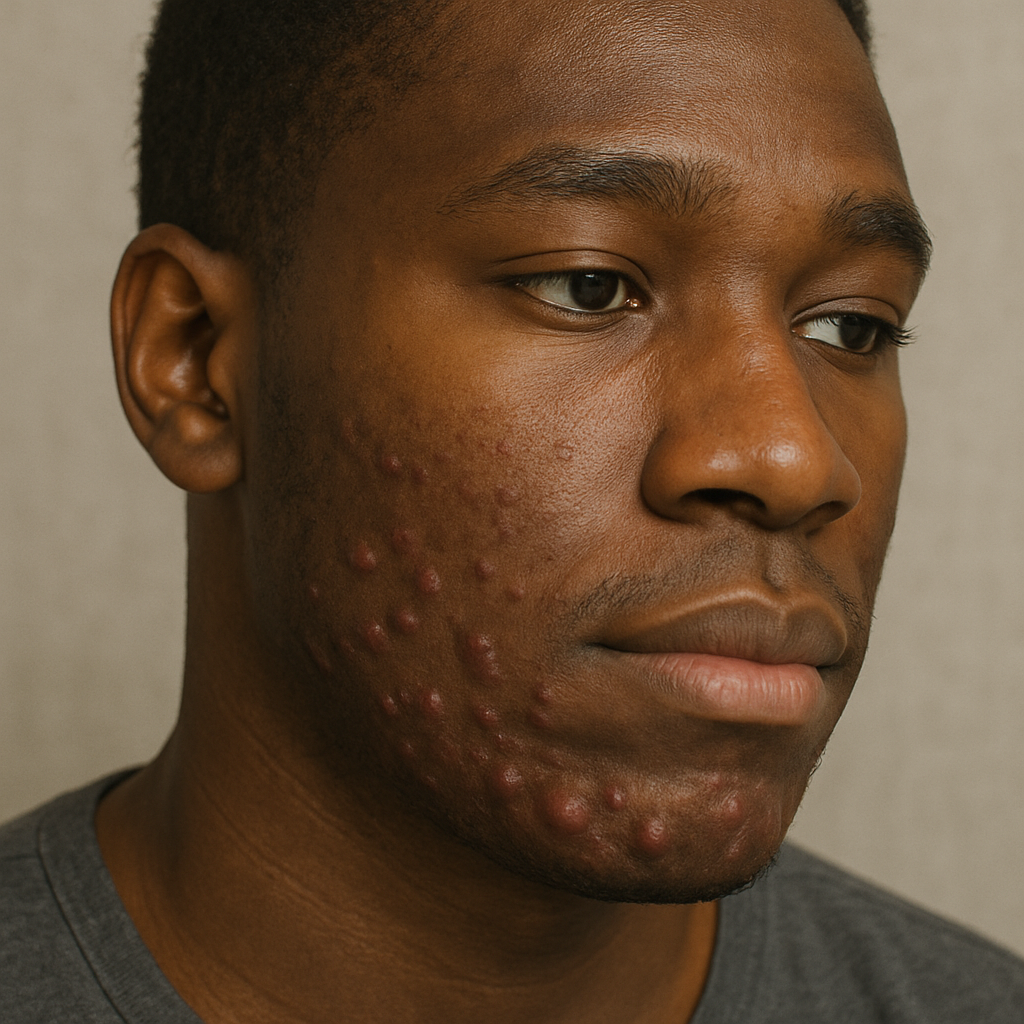
Acne Treatment
Acne Treatment in Ireland
Treating acne involves a variety of approaches, tailored to the severity and type of acne. The goal is to reduce inflammation, control oil production, and target the underlying causes of acne, such as bacterial overgrowth, clogged pores, and hormonal imbalances, and hopefully avoiding scarring. Common treatments include topical medications, oral medications, and procedural interventions.
1. Topical Medications
For mild to moderate acne, topical treatments are often the first line of defense. These include:
- Retinoids: Retinoids are derived from vitamin A and help to unclog pores, promote skin cell turnover, and reduce inflammation. They are particularly effective for treating comedonal acne (blackheads and whiteheads) and preventing new breakouts.
- Benzoyl Peroxide: This is an antimicrobial agent that kills the bacteria (Propionibacterium acnes) responsible for acne. It also helps to reduce inflammation and prevent clogged pores. It’s often used in conjunction with other treatments.
- Salicylic Acid: A beta-hydroxy acid (BHA) that helps exfoliate the skin and clear clogged pores, making it effective for mild acne and blackheads.
- Topical Antibiotics: These help reduce bacterial growth and inflammation. They are often used in combination with benzoyl peroxide to reduce antibiotic resistance.
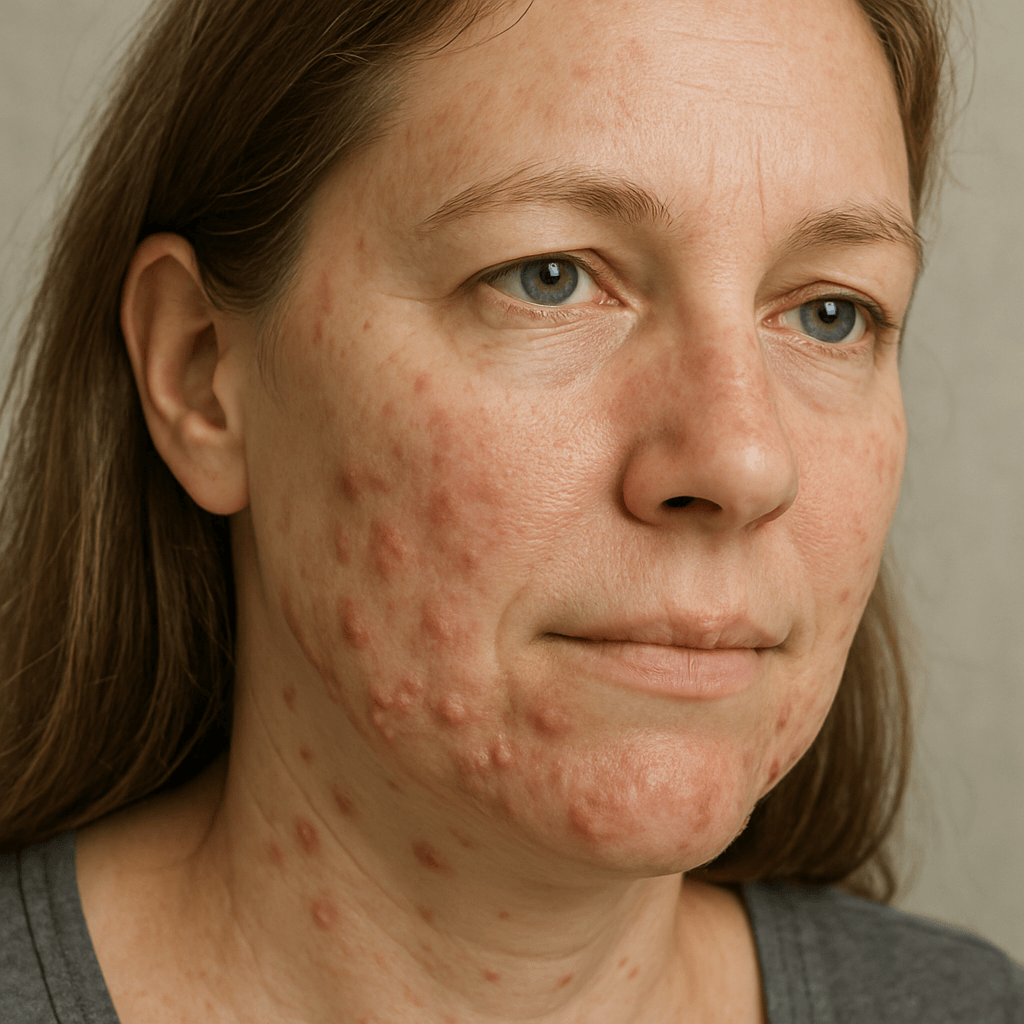

2. Oral Medications
For moderate to severe acne, or when topical treatments fail, oral medications may be prescribed:
- Oral Antibiotics: These help to reduce bacterial overgrowth and inflammation. They are typically prescribed for several weeks to months.
- Oral Contraceptives (for females): Certain birth control pills regulate hormones that can contribute to acne. Pills containing estrogen and progestin help to reduce sebum
production, which can lessen acne breakouts. - Isotretinoin (Accutane): For severe, cystic acne that doesn’t respond to other treatments, isotretinoin is often prescribed. It works by reducing sebum production, preventing clogged pores, and shrinking sebaceous glands. While highly effective, it comes with potential side effects and requires careful monitoring due to its teratogenicity (harmful effects during pregnancy).
3. Procedural Treatments
For persistent acne or acne scars, dermatologists may recommend:
- Chemical Peels: These use acidic solutions to exfoliate the skin and unclog pores. Peels can also help to reduce post-acne pigmentation and scarring.
- Laser Therapy: Lasers, like the pulsed dye laser (PDL) and fractional CO2 lasers, can help treat active acne and reduce scarring by targeting sebaceous glands and promoting collagen production.
- Drainage and Extraction: For large cystic acne lesions, a dermatologist may use a sterile needle or incision to drain the cyst, reducing swelling and pain.
- Red light therapy: Can help calm inflammation and promote healing.
- Microneedling: May be effective in treating mild to moderate scarring.